Major League Baseball Pitch, Hit & Run
Featuring Jackie Caver as part of the 50th anniversary of MLB Pitch, Hit & Run.
At Turner Elementary in Pasadena, Texas, nearly 500 students rotate through PE teacher Jackie Caver’s classes.
This year marks her 20th year teaching. And for the last 12, she’s been running MLB Pitch, Hit & Run with her students. She didn’t start it because she had to—she started it because something was missing.Fulshear, TX all the way to Fenway Park—and even the World Series.
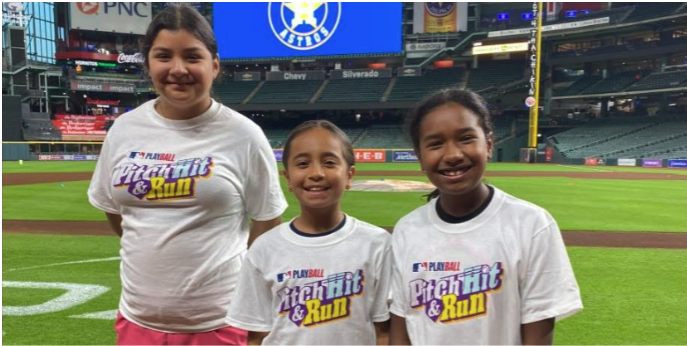
Filling the Gap
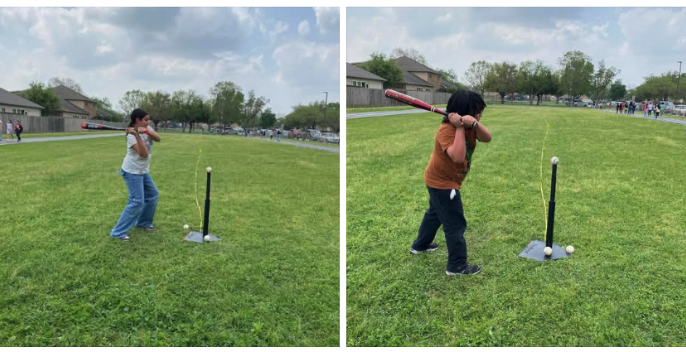
“In our district, we already do competitions for football and basketball,” Caver said. “But not for baseball and softball, and my kids love those sports.”
So she went looking for a way to bring it in herself.
“I came across Pitch, Hit & Run and applied to be a host. I just wanted to do something for my kids who wanted to try it.”
At first, she kept it simple.
“I required kids to already be baseball or softball players,” she said. “But there were so many who were naturally good at it that I excluded. I didn’t like how that turned out.”
So, instead of limiting participation, Caver rebuilt the program to include every student.
“Now, we do it through PE class. Everyone gets to try it,” she said. “You don’t have to try out to learn the skills. Everyone learns.”
Her three-week unit has become a core part of her curriculum—structured, repeatable, and something students look forward to every year.
“Over the last 10 years, I’ve perfected it.”
How She Made It Work for 400+ Kids
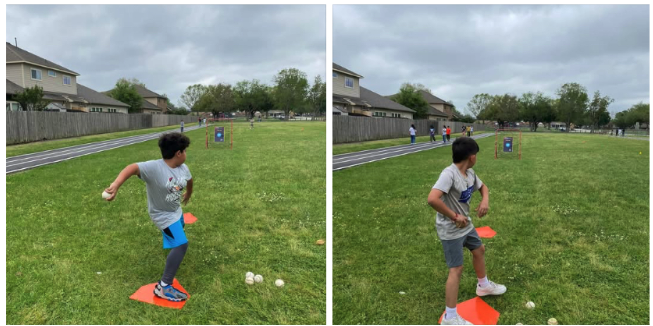
In her class, students break into small groups, rotate through stations, and track their own progress across running, hitting, and throwing.
“When they come to PE, they grab their pinnie and they know where they’re going,” Caver said. “They’re either running, timing, hitting off the tee, or throwing.”
Her setup is intentional:
- Foam bats and balls to build confidence
- Targets and nets for throwing accuracy
- Measured cones to track hitting distance
- Timed running with students keeping each other accountable
“They had plenty of time to practice and improve on their score,” she said. “Every day they got better.”
It’s structured enough to manage hundreds of students, but flexible enough to let them take ownership.
What Happens When You Let Them Lead
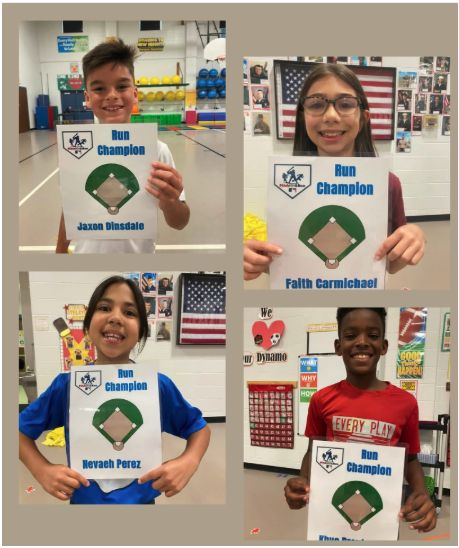
Caver is a big believer in giving students responsibility, and watching what happens next.
“We don’t give kids enough opportunities to step up,” she said. “And when you do, they really do make it happen.”
That mindset has changed how she sees talent, too.
“Several kids have advanced to Team Championships, and they’re not always the baseball and softball players.”
One student in particular stuck with her.
“This little boy that made it to the next level—he was not a baseball player,” she said. “His parents signed him up for baseball after they saw him. He would have never had that opportunity if it wasn’t for Pitch, Hit & Run.”
Stepping Onto the Field Changes Everything
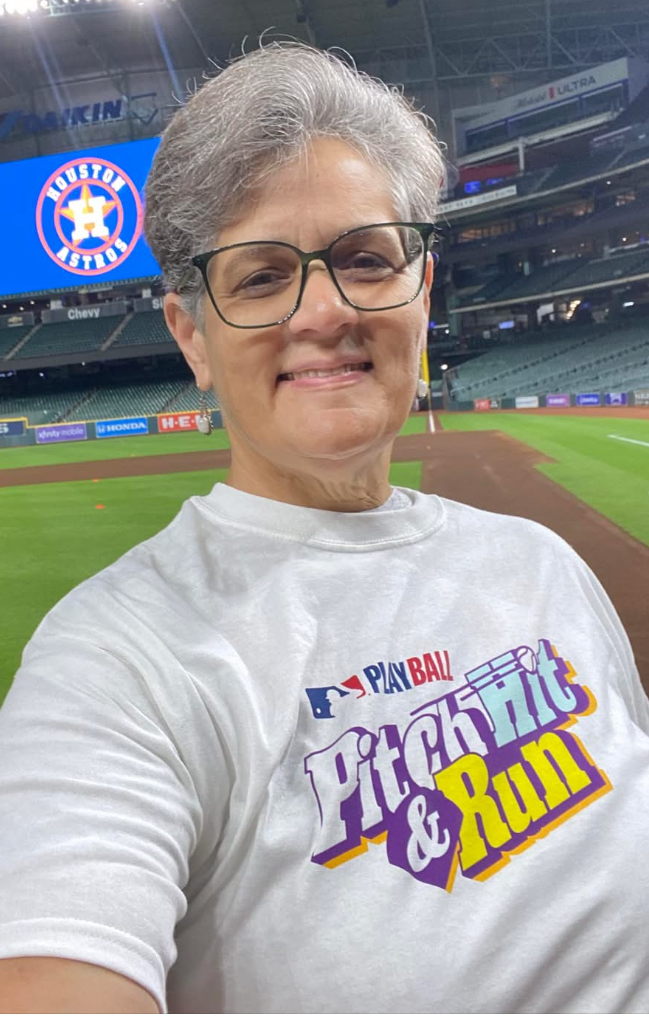
That impact carries all the way to the next level. For students who advance to the Team Championship, Caver has traveled with them to compete—and even jumped in to help run the event when needed.
“It’s the teacher in me—once a teacher, always a teacher,” she said.
But for her students, it wasn’t about logistics. It was about the moment.
“Just being on the field—where the pro baseball players walk—they were so excited,” she said. “It didn’t even matter if they didn’t win. They were just so excited to be there.”
50 Years Later, It Still Works
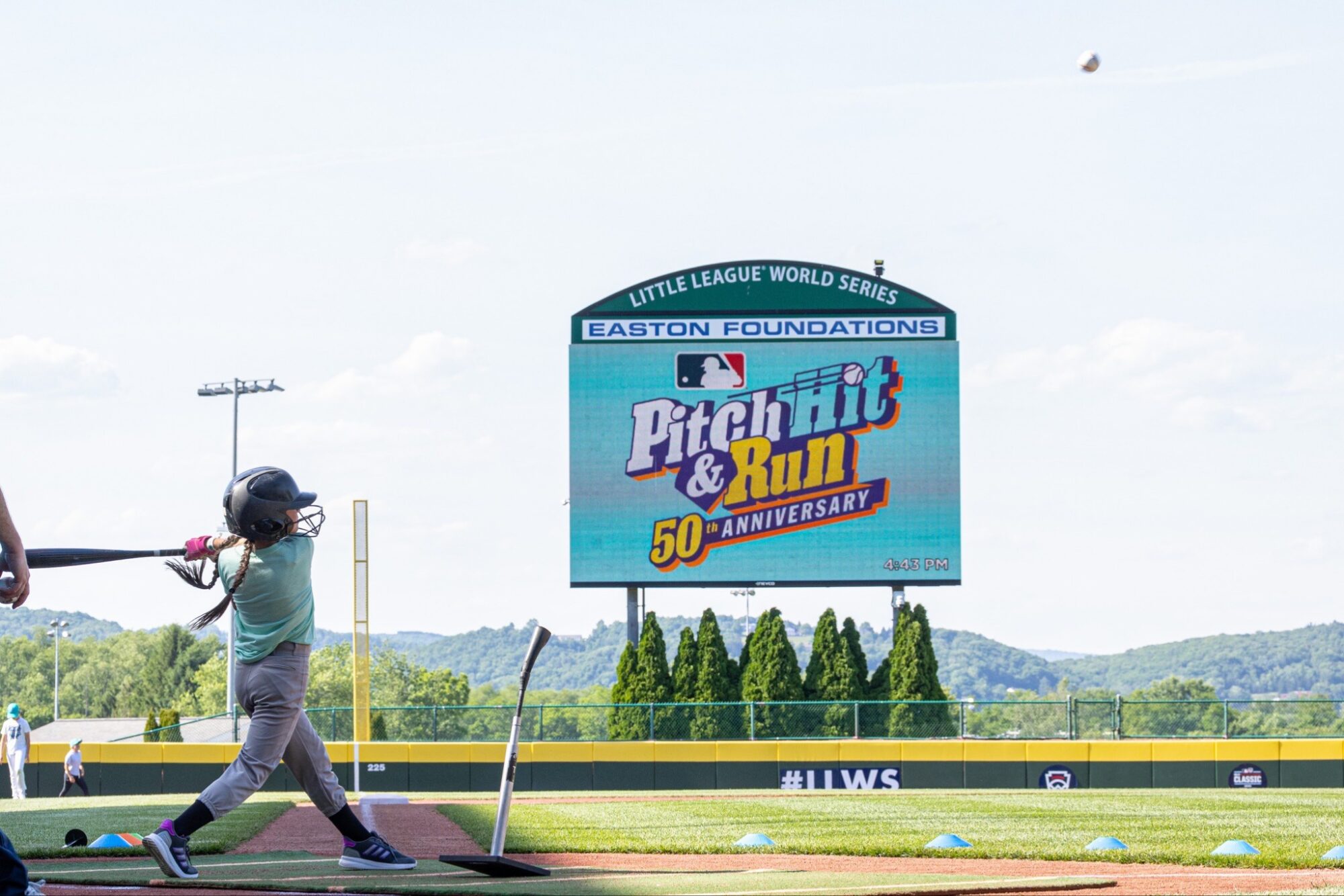
As MLB Pitch, Hit & Run celebrates its 50th anniversary, programs like Caver’s are exactly what the milestone represents: access, opportunity, and giving kids a chance to try something new.
“I would absolutely encourage people to try Pitch, Hit & Run,” she said. “It lays it out for you in a way you can teach it.”
More importantly, it creates moments that stick.
Host registration for the 2025–2026 Pitch, Hit & Run season is now open
To learn more about MLB Pitch, Hit & Run or get involved, visit